-
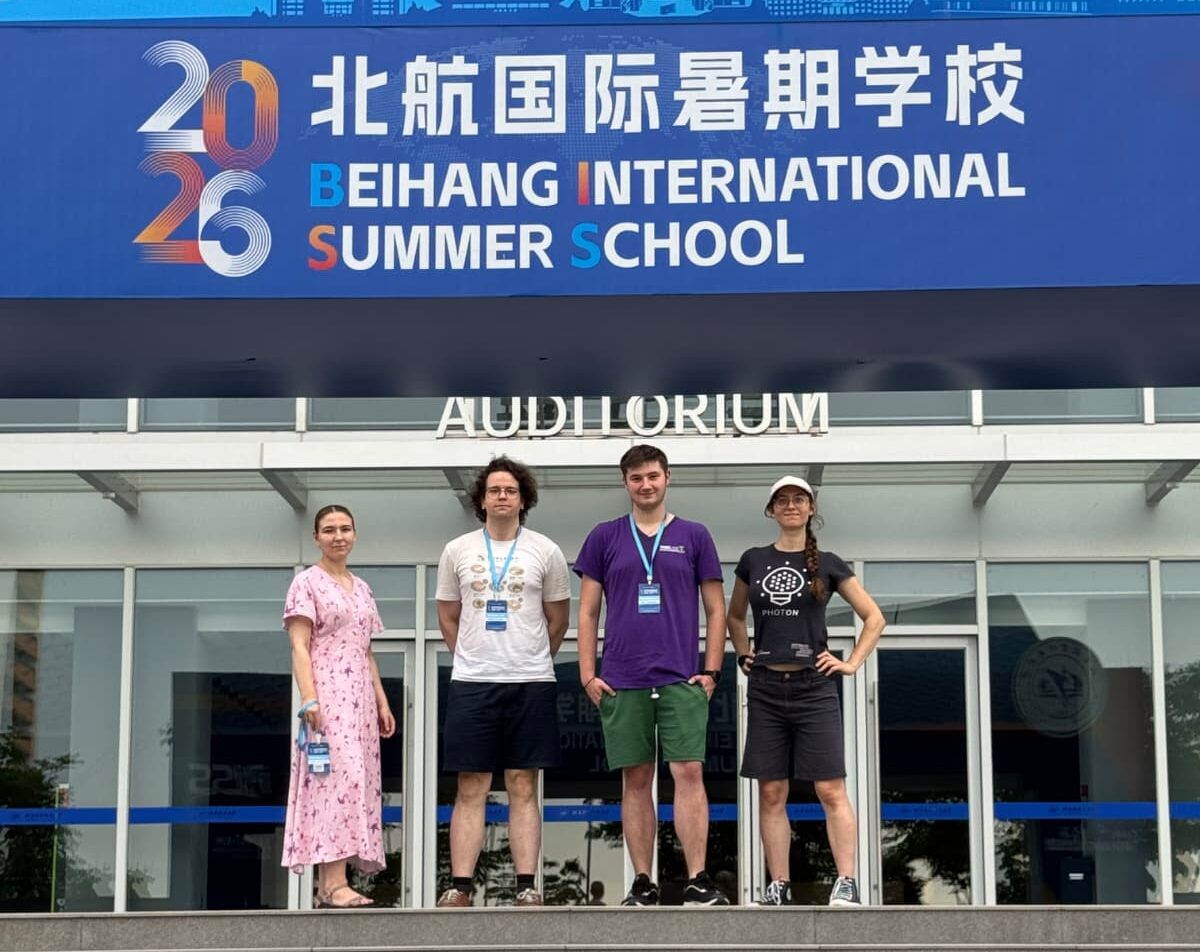
TeraERC group members at the Beihang International Summer School in China
This month, a group of PhD students from the TeraERC team took part in the Beihang International Summer School, a summer school held in Hangzhou, China, and organized by Beihang University. PhD students Mateusz Maciejuk and Adrian Chlebowski participated in the 3rd International Terahertz Summer School, where lectures were delivered, among others, by representatives…
-
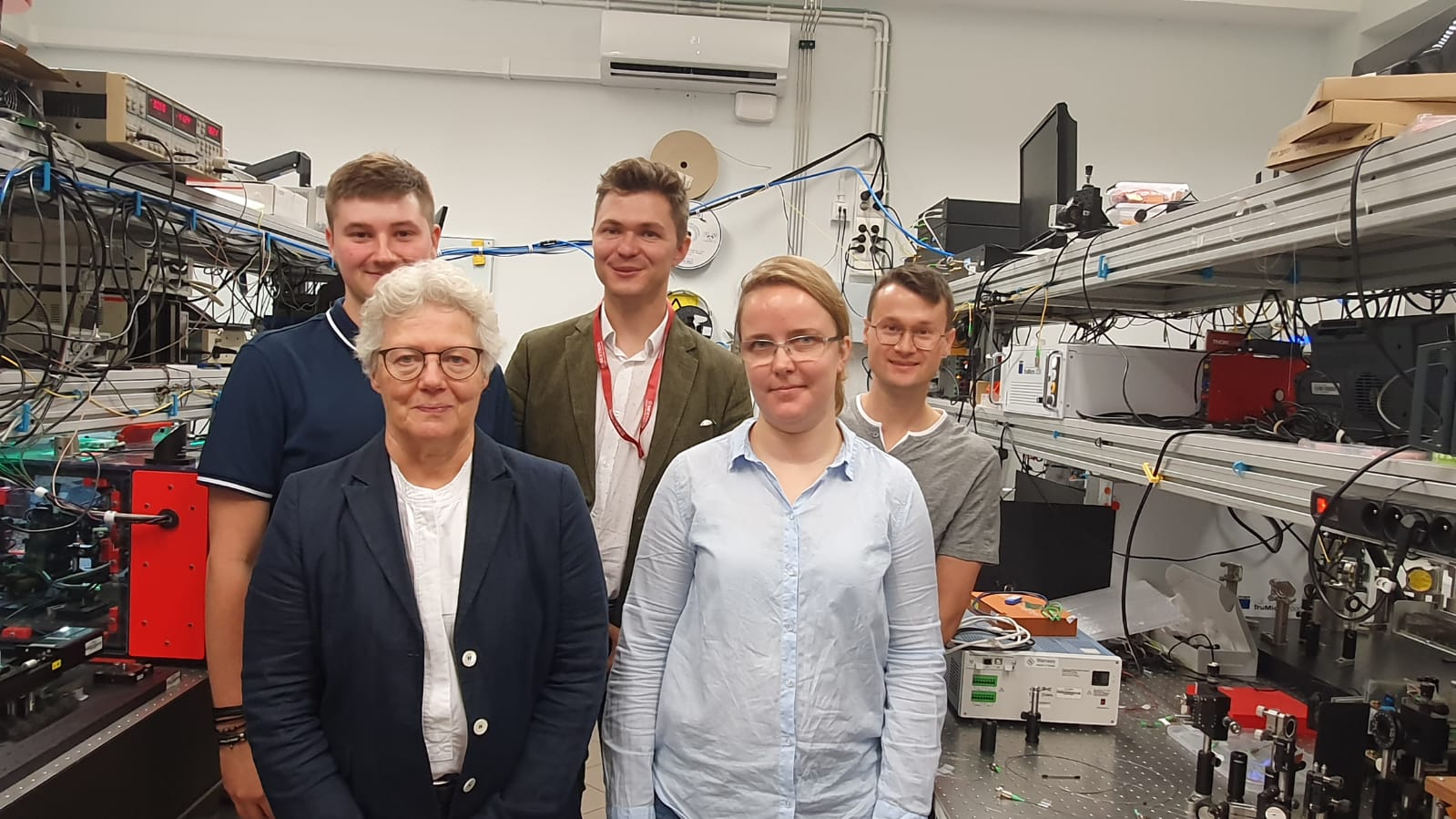
Prof. Anne L’Huillier visits our labs
Last week we had the great honor to host prof. Anne L’Huillier – a French-Swedish physicist whose research has made major contributions to the field of ultrafast laser science. She is best known for her pioneering work on generating and studying attosecond light pulses, which allow scientists to observe the motion of electrons inside…
Exploring the THz
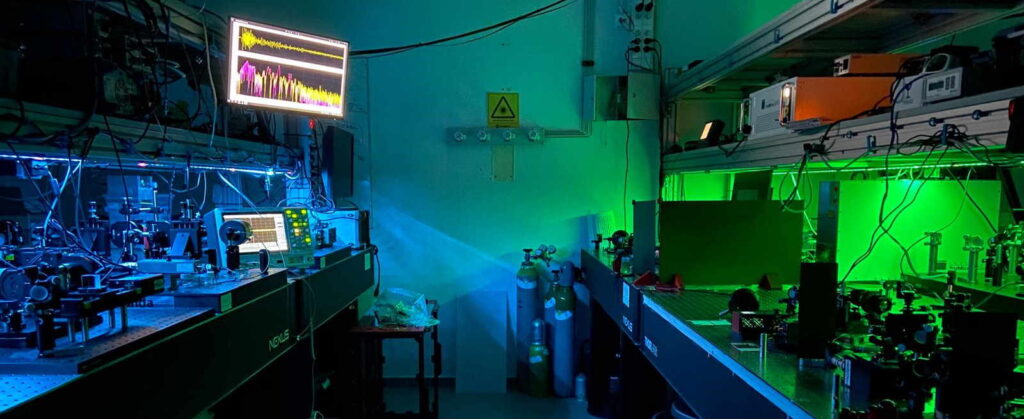
We research on one of the most challenging parts of the electromagnetic spectrum, which has historically been defined as the ‘terahertz gap’.
Our team explores new ways to generate, detect, and use THz radiation for material science, pharmacology, geology, and semiconductor physics.
News
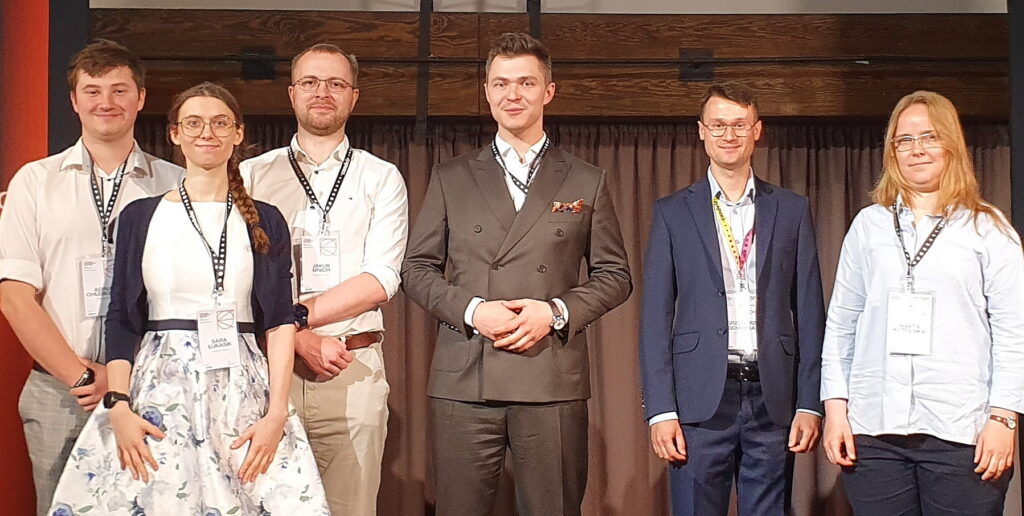
Our interdisciplinary team includes talented researchers with diverse backgrounds
Highlighted Research
Although our team was established in 2023, we already have several research outputs making our long-term vision one step closer to reality.
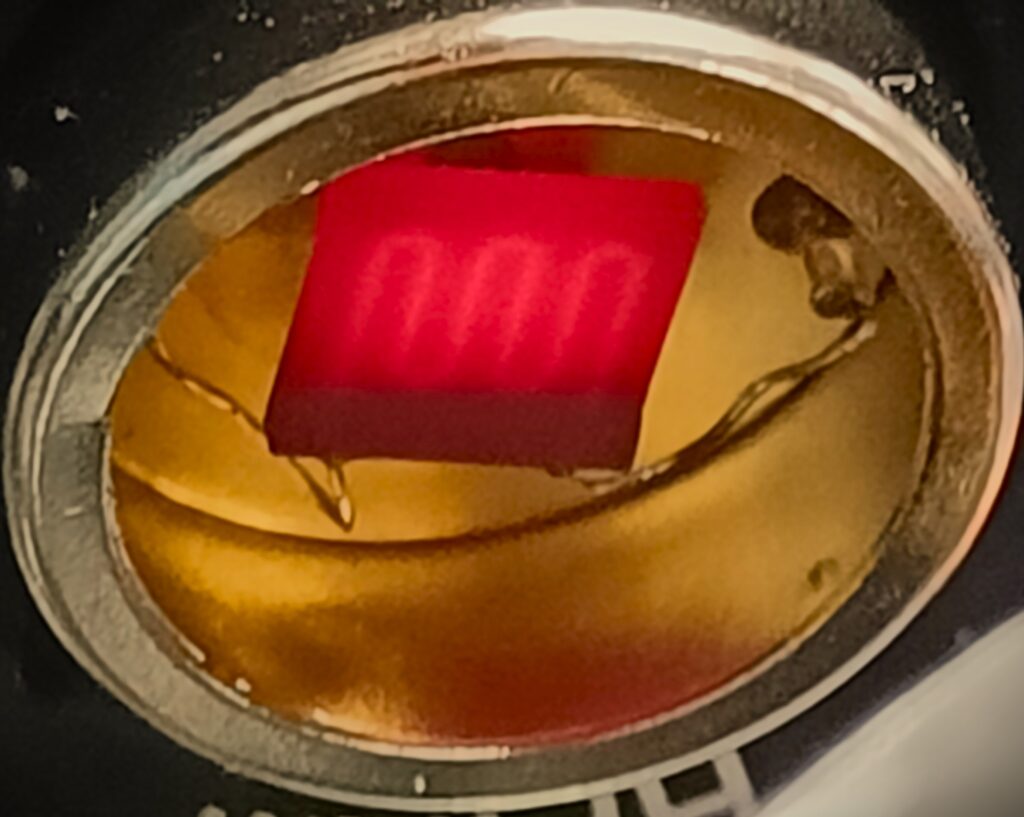
Ultra-broadband Fourier transform spectrometer at low power
Jakub Mnich et al.
Fourier transfmorm spectroscopy is often associated with power-hungry bulky tabletop instruments. We show how one can perform spectroscopy in the 1–30 μm wavelength range at watt-levels of power consumption.
THz generation and detection using PNPA
Lukasz A. Sterczewski et al.
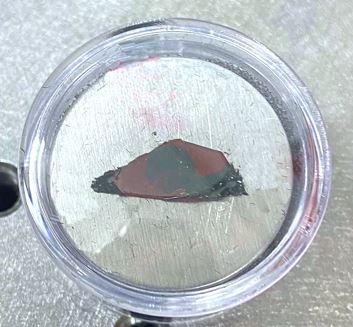
We demonstrate far- and long-wave infrared time-domain spectroscopy using an AI-inspired organic nonlinear crystal. Since the material is compatible with telecommunication-wavelength femtosecond laser, it is practical and convenient to use.

Hidden far-field beam profile artifacts in wide-angle radiometric goniometry
Sara A. Łukasik et al.
The far-field beam profile is one of the essential characteristics of any photonic device. We found that sometimes radiometric goniometry can produce artifacts in the beam profile that lead to a mis-interpretation about the mode of propagation.
Our team
Our interdisciplinary team includes talented researchers with diverse backgrounds
Wiktoria Szymska
Graduate Student
Grzegorz Gomółka
Post-doc
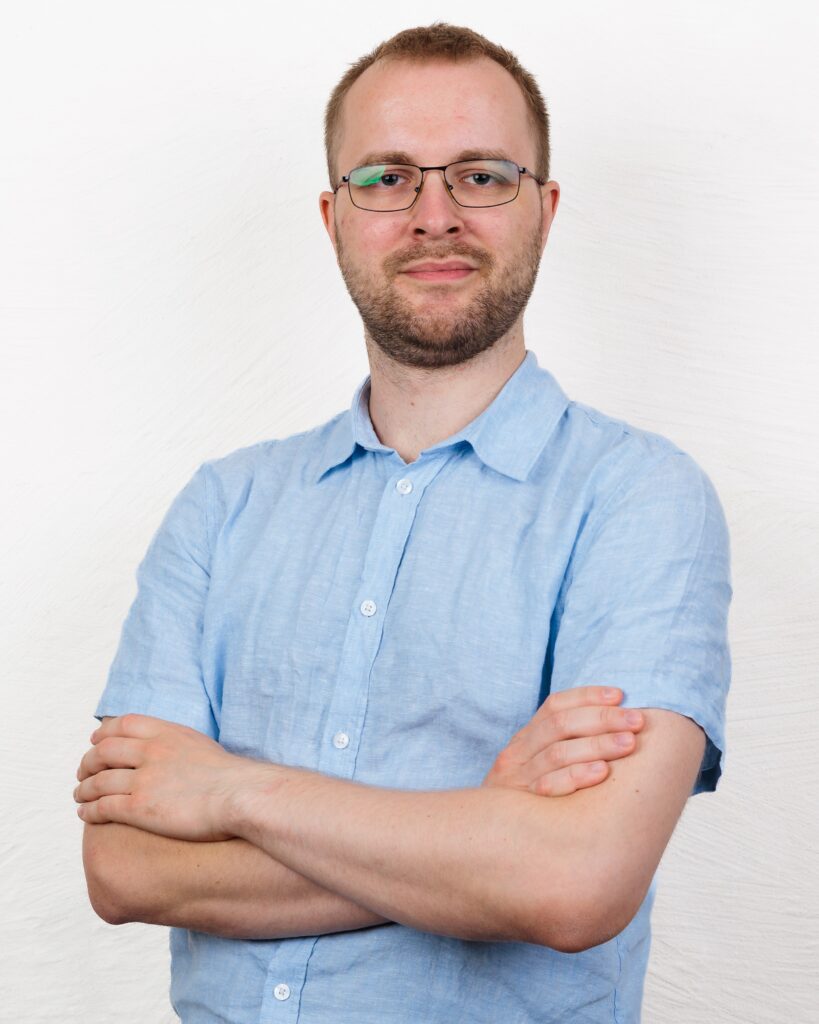
Jakub Mnich
Graduate Student

Sara Łukasik
MSc. Student / technician
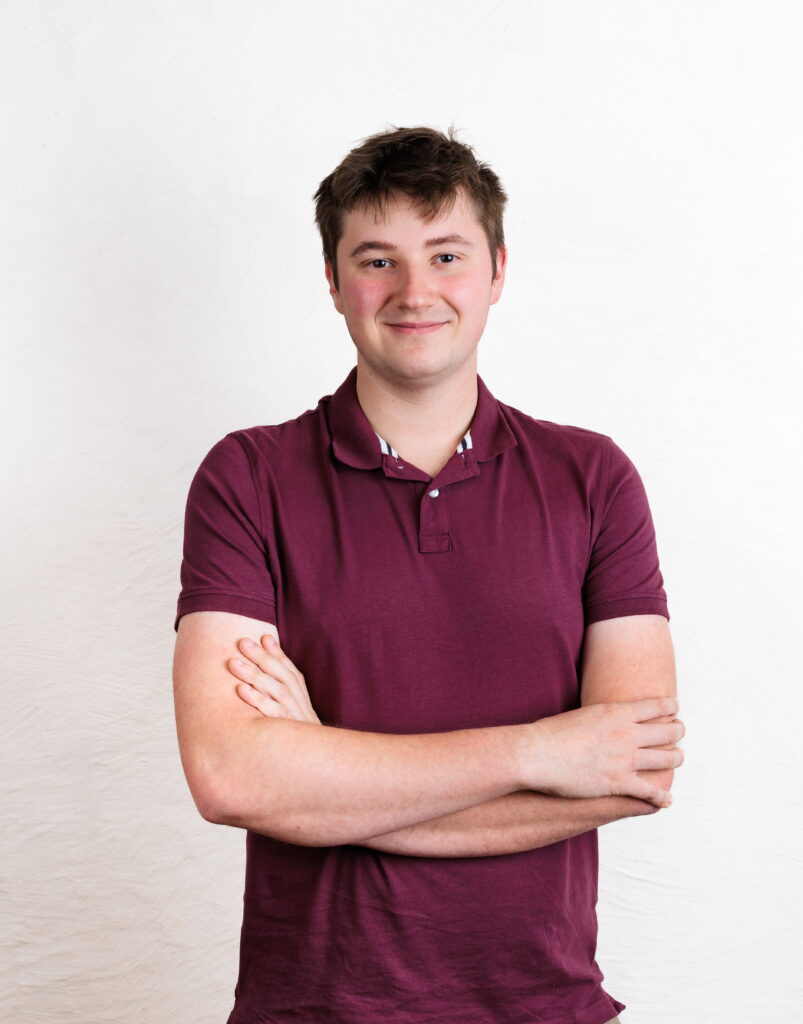
Adrian Chlebowski
Graduate Student
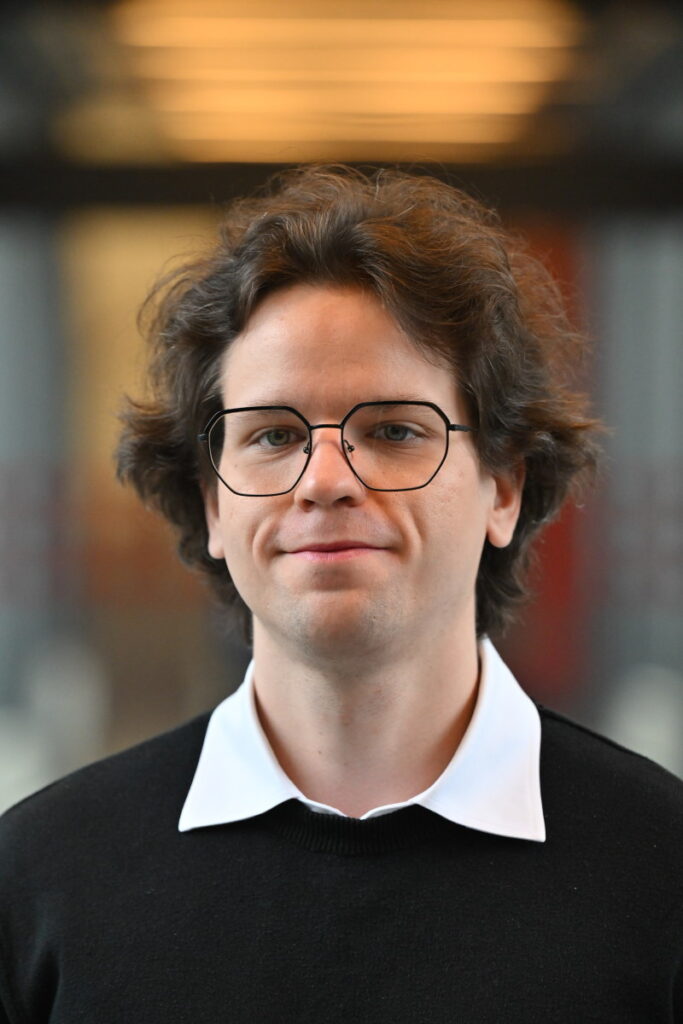
Mateusz Maciejuk
Graduate Student
Michał Biel
BSc student
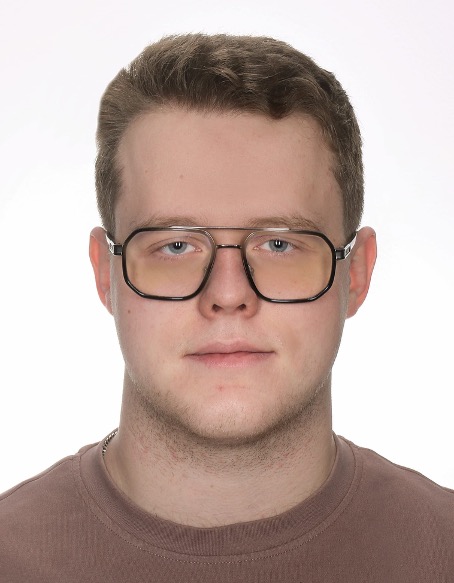
Mikołaj Skrzeczyna
MSc. Student
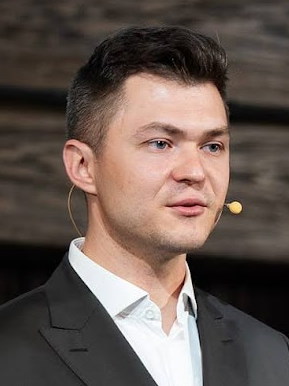
Łukasz A. Sterczewski
Principal Investigator
Passionate researcher with a background in molecular spectroscopy and semiconductor lasers.
Our Mission & Values
We believe that the future of far-infrared photonics is rooted in hard work, exploration of new device topologies and advances in low-noise electronics. We merge the unique skillsets of our group members to produce a coherent output in the form of THz waves and innovation.
Democratization of access to the mid- and far-infrared
Light in the eye-invisible infrared range carries a lot of information about our world. In particular, one can identify fake drugs, detect organic pollutants or analyze the internal structure of non-metal objects. Unfortunately, longer-wavelength infrared technologies are still elusive. In addition to our cutting-edge technology efforts, we reshape existing infrared technologies to make them available to a wider class of users.
Involvement of young researchers
With strong infrastructure and intellectual support from our Department, we provide a creative environment for early-carreer researchers. We help students grow by involving them in real-life scientific research. Many of our group members start as bachelor’s students to eventually present their work at conferences. The future belongs to the young!
Wide scope
We do not limt ourselves to a specific technology. We see the problem of long-wave and terahertz spectroscopy in a hollistic way. We explore ultra-broadband thermal emitters together with bandwidh-limited yet highly coherent semiconductor laser frequency combs. Material science focusing on new materials for nonlinear frequency conversion is also of our interest. Some of our researchers research photodetectors too. Hopefully, one or a mix of those solutions will eventually become scalable to fulfill our promise of wide-scale access to long-wavelength infrared and terahetz parts of the electromagnetic spectrum.